
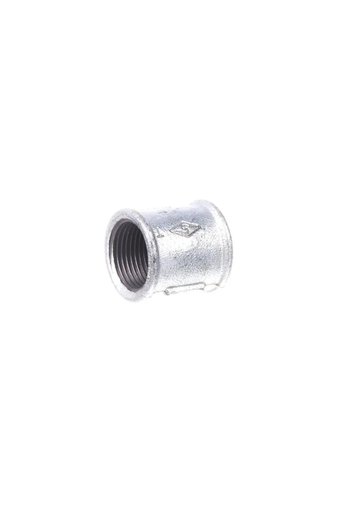
OEM Galvanized socket, internal thread - internal thread, connection 1/2'
-23%
(incl. VAT)
Shipped from: Romania


Trendyol's commitments

Easy and free return in 30 days.


Highlighted features:
OEM Galvanized socket, internal thread - internal thread, connection 1/2' features
OEM Galvanized socket, internal thread - internal thread, connection 1/2' reviews
Product details
Product description
Everything you need to know about pipe fittings from the manufacturer. Pipe fittings are essential components for any plumbing or heating system, providing the necessary connections between pipes and other system elements. Types of pipe fittings available for any project: - PPR (Random Copolymer Polypropylene) fittings: These are commonly used in hot water installations of boilers due to their resistance to high temperatures and pressures. The PPR fitting range includes: - PPR elbows 20, 25, and 32 for creating corners in piping systems. - PPR tees 20, 25, and 32 for branching pipe routes. - PPR coupling 20 for connecting pipes of the same diameter. - PPR valves 20 and 25 for controlling water flow. - Copper fittings: Ideal for heating systems and water installations, copper fittings are durable and resistant to corrosion. Among these are: - Copper elbows 15, 18, and 22 for creating bends. - Brass tee 1/2 and brass elbow 1/2 for strong connections. - PEXAL fittings: Combining cross-linked polyethylene with aluminum, these fittings are perfect for underfloor heating systems and hot water applications. - PEXAL elbows 16 and PEXAL tees 16 for flexible and durable connections. - PEID (High-Density Polyethylene) fittings: Used for transporting drinking water and other industrial applications, these fittings are strong and flexible. - PEID elbows 32 and PEID tees 32 for connections in PEID systems. Tips for using pipe fittings: To ensure correct and durable installation of pipe fittings, consider these tips: - **Choosing the right material:** Select fittings made from the same material as the pipes to guarantee compatibility and prevent galvanic corrosion. For example, use PPR fittings for PPR pipes and copper fittings for copper pipes. - **Proper installation:** Follow the specific instructions for each type of fitting. For PPR fittings, use PPR welding machines to ensure a perfect and secure connection. - **Correct tool usage:** Ensure you have the necessary tools, such as crimping tools for PEXAL fittings or tightening collars. Frequently asked questions about pipe fittings: - What materials are pipe fittings made of? Pipe fittings are manufactured from various materials, each with specific properties: - PPR (Random Polypropylene Copolymer): Ideal for hot and cold water due to its resistance to high temperatures and pressures. - Copper: Excellent for thermal conductivity and corrosion resistance, especially used in heating and drinking water systems. - PEXAL: Combines cross-linked polyethylene with aluminum, offering flexibility and durability for underfloor heating. - PEID (High-Density Polyethylene): Used for transporting drinking water and industrial applications due to its strength and flexibility. - How do you connect a pipe to a fitting? The method of connecting a pipe to a fitting depends on the material type: - PPR fittings: They are welded using a PPR welding device that heats both the pipes and fittings until they melt and fuse. - Copper fittings: Either soldering methods or compression fittings can be used to mechanically clamp the pipes to ensure a tight connection. - PEXAL fittings: Use crimping pliers to secure the PEXAL fittings. - PEHD fittings: Can be connected via electrofusion or butt welding methods.
Additional info
- EU Responsible details are here.
- A maximum of 10 units of this product can be ordered. Trendyol reserves the right to cancel orders over 10 units.
- Sold and fulfilled by .
- Barcode No: 6922210105181
- Origin: RO


