Ukulele
228+ item(s)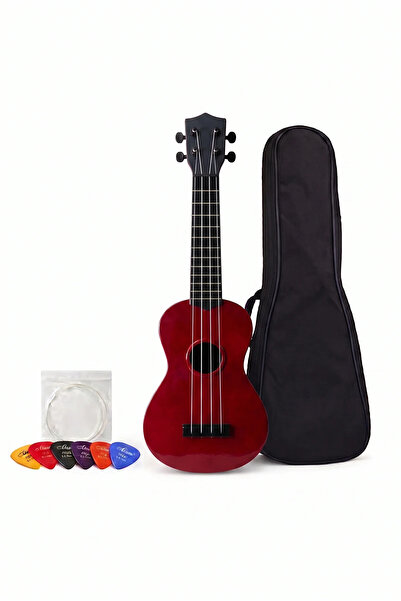
Gonzales 4 String Ukulele Red Color


-62%
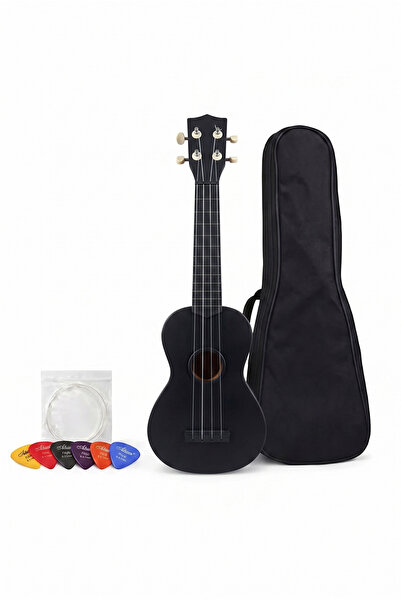
Gonzales 4 String Ukulele Black Color
-51%
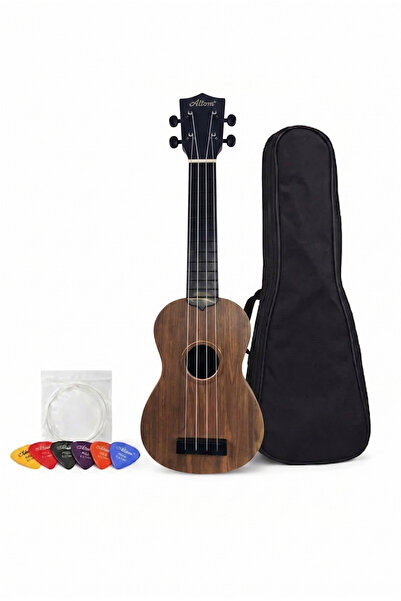
Gonzales 4 String Ukulele Walnut Color
-52%

Midex Ukx-233Prp Purple Concert Ukulele (Strap Bag Plectrum)
Ukx-233Prp Purple Concert Ukulele (Strap Bag Plectrum)-54%
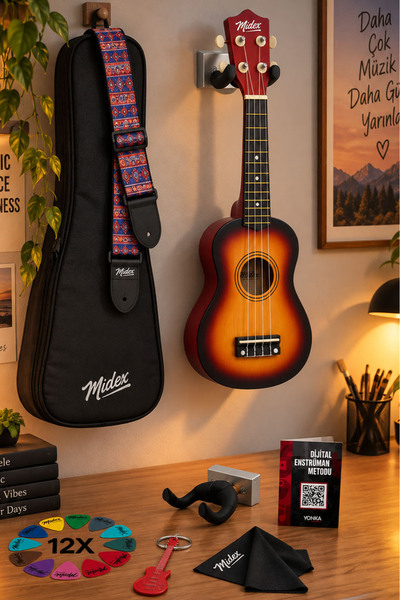
Midex Ukx-901Sb Sunburs Soprano Ukulele (Strap Bag Plectrum)
Ukx-901Sb Sunburs Soprano Ukulele (Strap Bag Plectrum)-54%
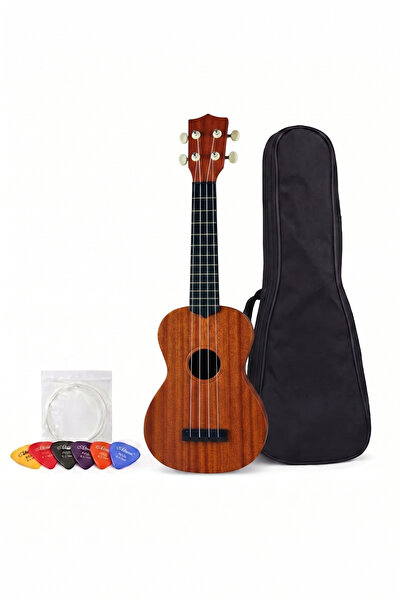
Gonzales 4-String Ukulele Mahogany Look Cover
-56%
Clifton Pink Ukulele
-15%

Gonzales 4 String Ukulele Pink Color
-52%

Midex Ukx-901Bk Black Soprano Ukulele (Strap Bag Metod Pena)
Ukx-901Bk Black Soprano Ukulele (Strap Bag Metod Pena)-53%
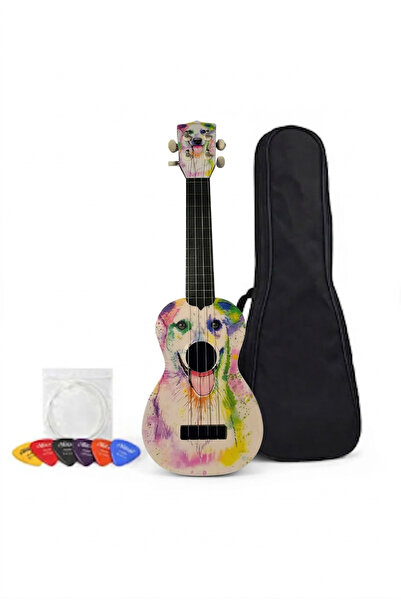
Gonzales Soprano Ukulele with Dog Pattern
-62%
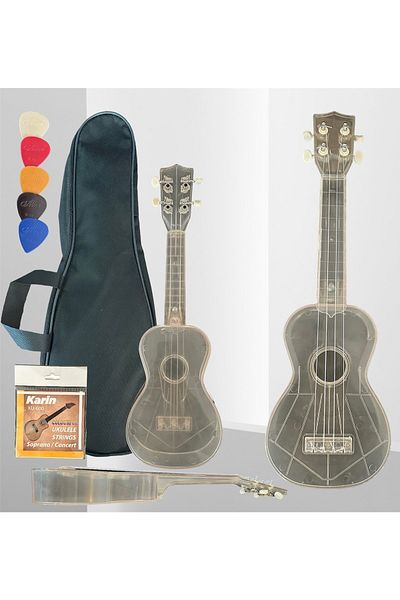
Generic Brand Transparent Soprano Ukulele (BAG, PENA, WIRE)
Transparent Soprano Ukulele (BAG, PENA, WIRE)Lowest price in 30 days
Lowest price in 30 days
-40%
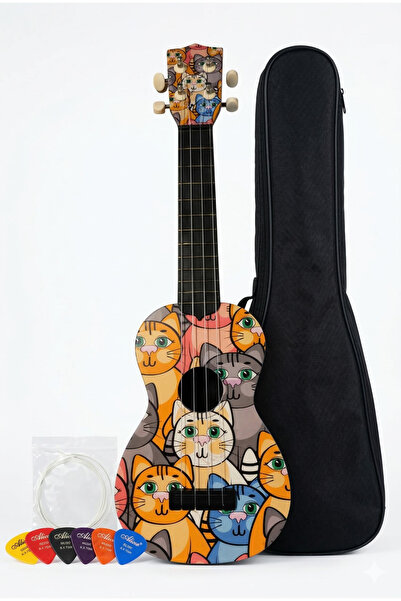
Gonzales Soprano Ukulele with Cat Illustration
-51%
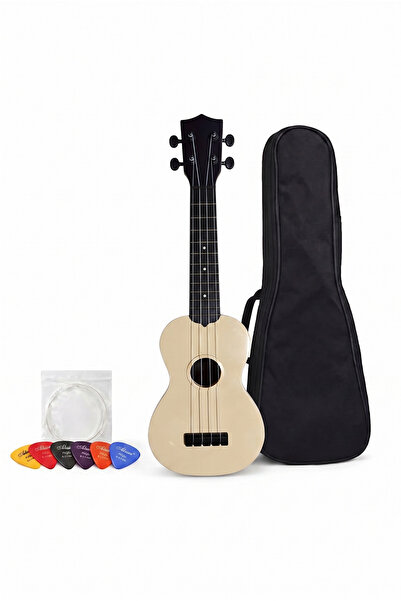
Gonzales 4 String Ukulele Beige Color
-52%

Midex Spa-251 Mahogany Wood Quality Soprano Ukulele Set
Spa-251 Mahogany Wood Quality Soprano Ukulele Set-53%
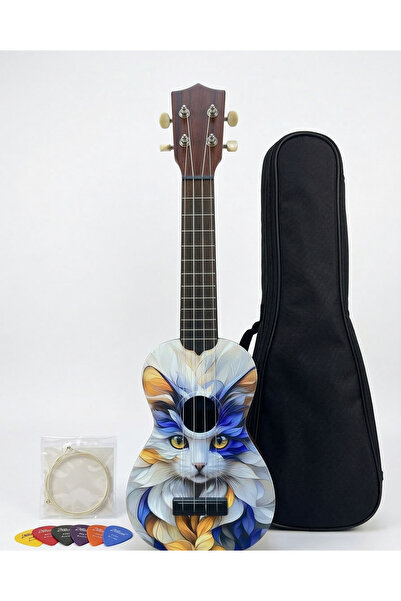
Gonzales Soprano Ukulele with Cat Pattern
-52%
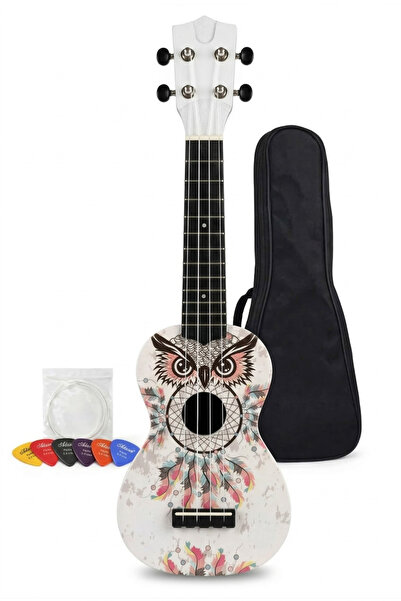
Gonzales Soprano Ukulele Owl Pattern
-52%

Midex Ukx-901Nt Natural Soprano Ukulele (Aski Çanta Pena)
Ukx-901Nt Natural Soprano Ukulele (Aski Çanta Pena)-53%
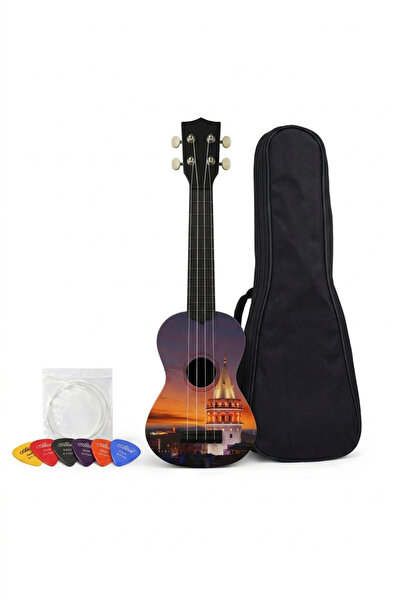
Gonzales Soprano Ukulele Galata Patterned
-52%
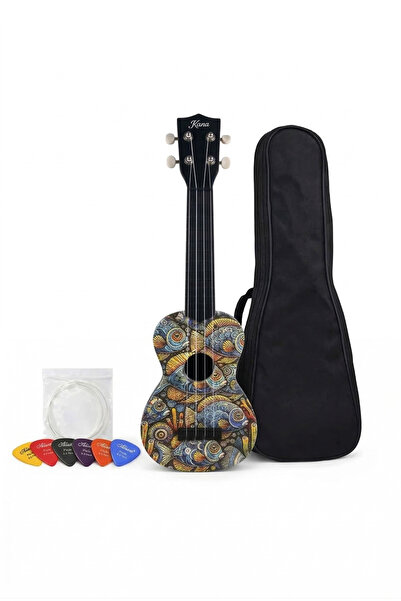
Gonzales Soprano Ukulele with Fish Pattern
-52%
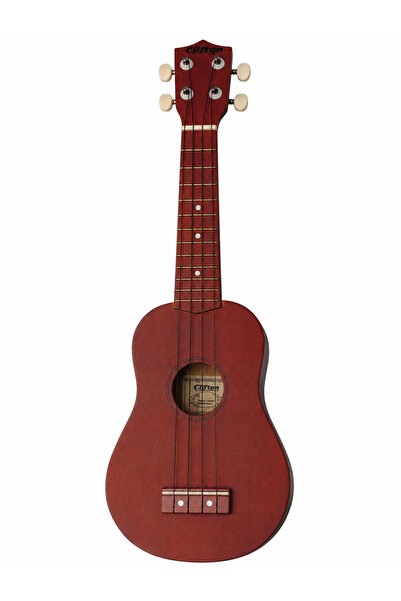
Clifton Soprano Ukulele Brown
-15%
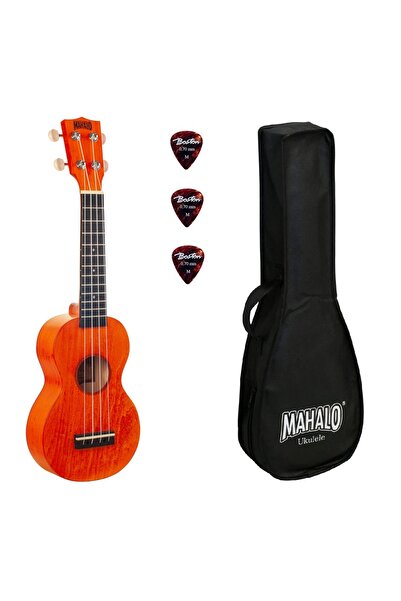
Mahalo Ml1os Soprano Ukulele Set, Sunset Orange Finish, 3 Frets, Bag
-13%
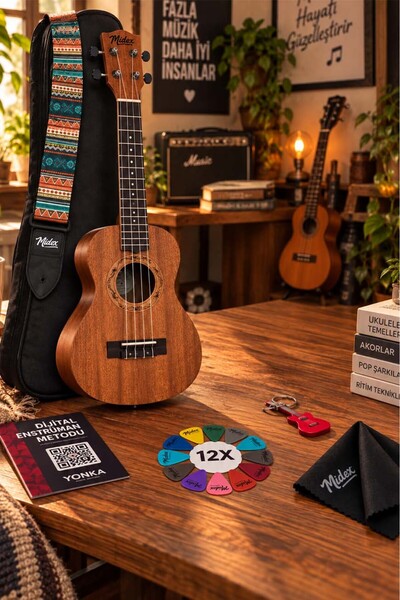
Midex Sp-21M Set Mahogany Soprano Ukulele (Bag Note Sticker Strap Plectrum)
Sp-21M Set Mahogany Soprano Ukulele (Bag Note Sticker Strap Plectrum)-53%
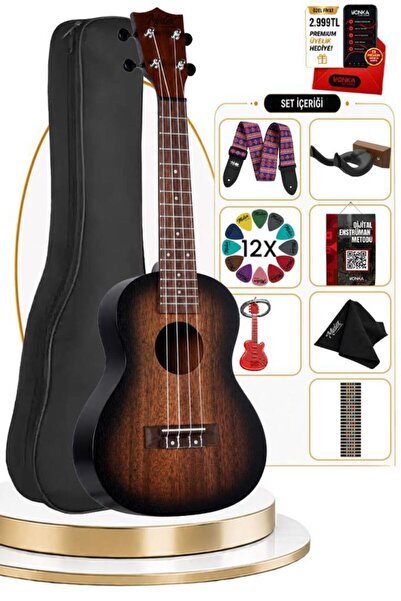
Midex Cnt-245Sb Quality Sunburs Mahogany Wood Concert Ukulele Set
Cnt-245Sb Quality Sunburs Mahogany Wood Concert Ukulele Set-52%
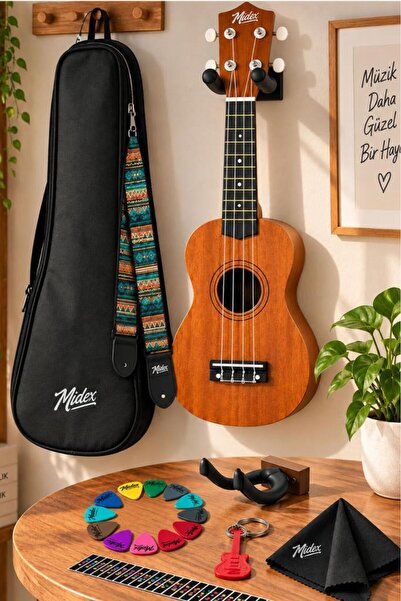
Midex Ukx-901M Brown Soprano Ukulele (Strap Bag Method Pena)
Ukx-901M Brown Soprano Ukulele (Strap Bag Method Pena)Lowest price in 30 days
Lowest price in 30 days
-40%
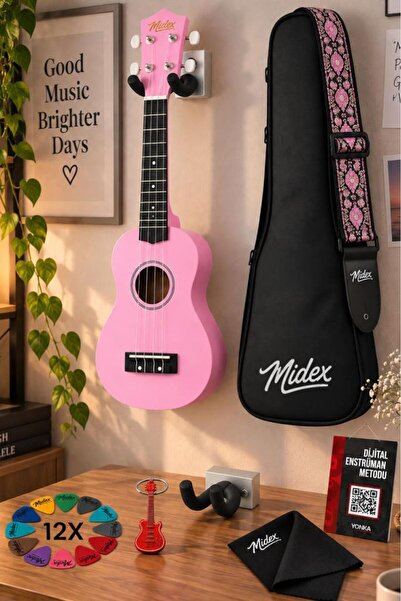
Midex Ukx-901pk pink soprano ukulele (strap bag method pick)
Ukx-901pk pink soprano ukulele (strap bag method pick)Lowest price in 30 days
Lowest price in 30 days
-40%
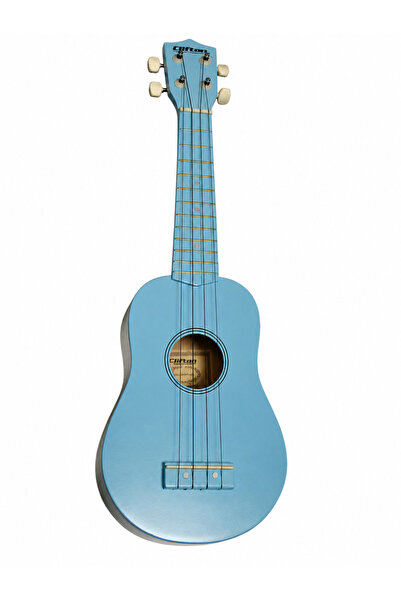
Clifton Soprano Ukulele Blue Blue
-15%
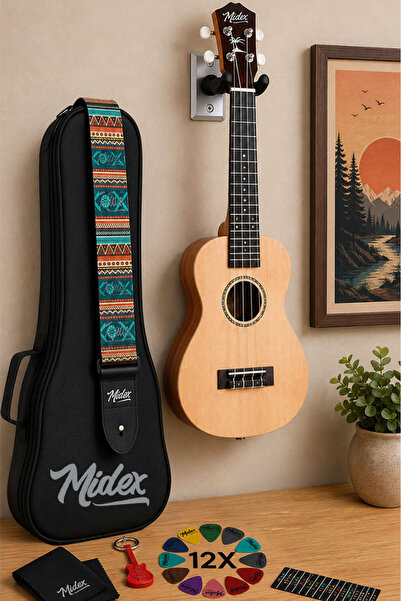
Midex Ct-24Nt Quality Natural Concert Inlaid Ukulele Set
Ct-24Nt Quality Natural Concert Inlaid Ukulele Set-52%
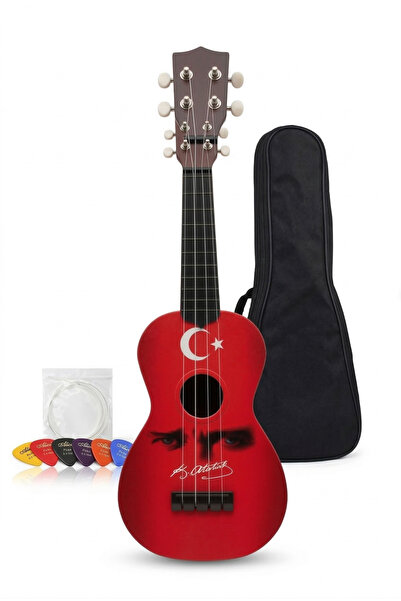
Gonzales Soprano Ukulele with Atatürk Theme
-52%

Gonzales Soprano Ukulele Tribal Owl Pattern
-56%
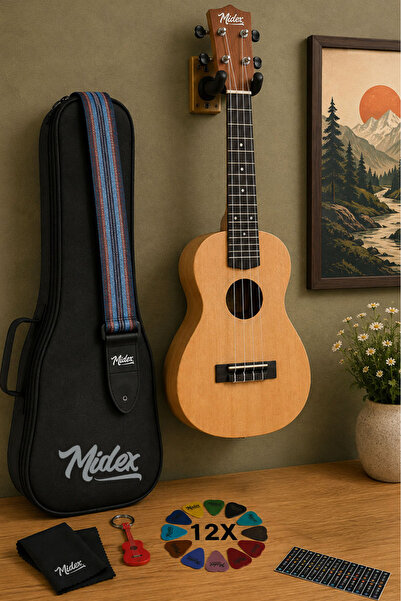
Midex Cnt-245Nt Quality Natural Concert Ukulele Set
Cnt-245Nt Quality Natural Concert Ukulele Set-51%
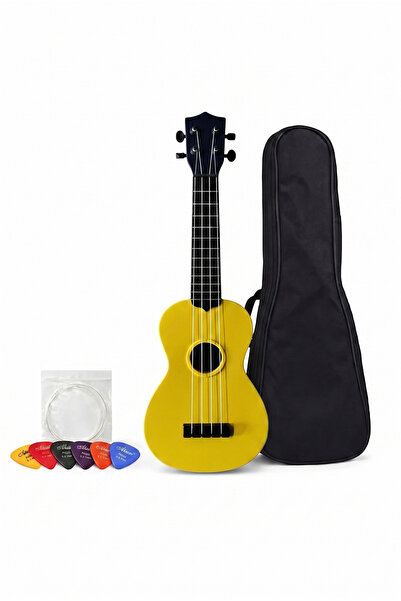
Gonzales 4 String Ukulele Yellow Color
4 String Ukulele Yellow ColorLowest price in 30 days
Lowest price in 30 days
-40%
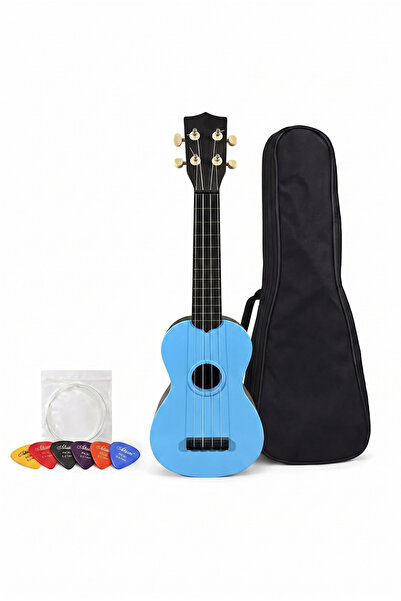
hawiian 4 String Ukulele Blue Color
-52%
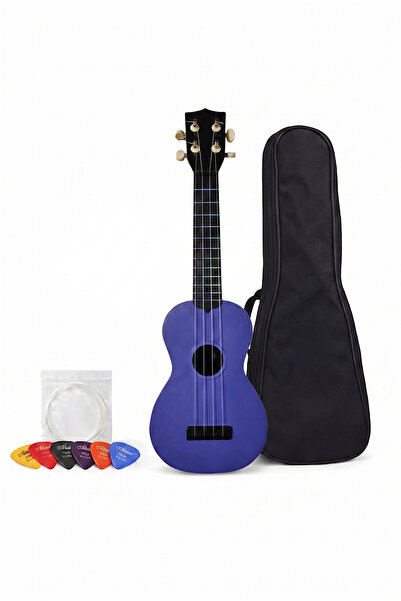
Gonzales 4 String Ukulele Purple Color
-52%
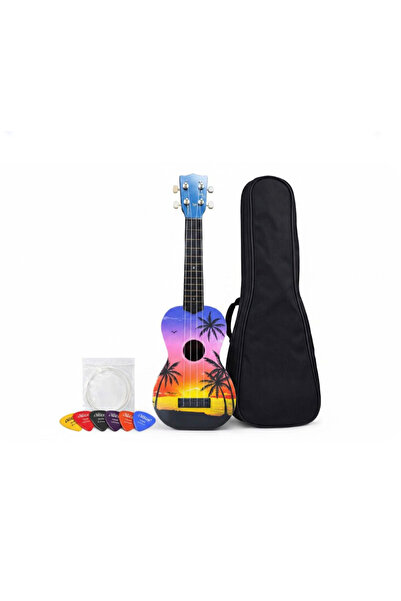
Gonzales Ukulele Hawaii Patterned
-52%
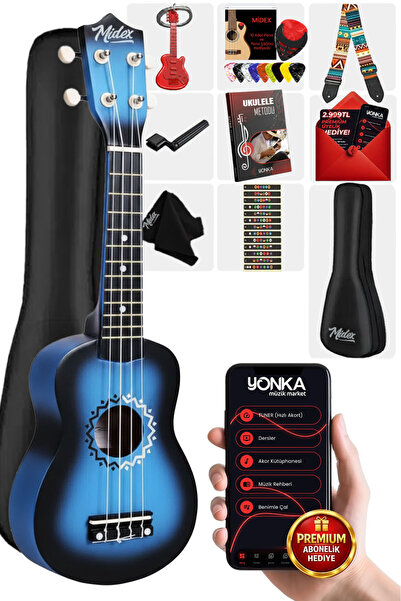
Midex Ukx-500Bl Mahogany Soprano Ukulele with Sunburs Effect Full Set
Ukx-500Bl Mahogany Soprano Ukulele with Sunburs Effect Full Set-40%
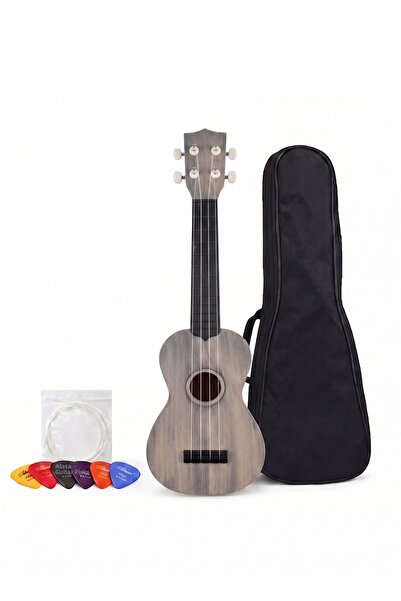
Gonzales 4 String Ukulele Wood Patterned
-52%


You may also be interested in
Ukuleles: The Melodious Miniature Guitars
Ukuleles, those charming little instruments from Hawaii, have taken the music world by storm. They're not just for beachside strumming anymore! Whether you're a beginner looking to start your musical journey or an experienced player seeking a new sound, ukuleles offer a world of melodic possibilities. Let's explore the world of ukuleles and find the perfect one for you:
- Types and sizes of ukuleles
- Materials and construction
- Popular brands and models
- Accessories and care tips
- Choosing the right ukulele for your needs
Ukulele Types: From Tiny to Mighty
Ukuleles come in various sizes, each with its own unique sound and character. The soprano ukulele is the smallest and most traditional, perfect for that classic Hawaiian sound. It's great for beginners and those with smaller hands. But don't let its size fool you – this little guy packs a punch!
Next up is the concert ukulele. It's a bit bigger than the soprano and offers a fuller, warmer tone. If you find the soprano a tad too small but still want that authentic ukulele sound, the concert might be your perfect match.
For those who crave even more volume and depth, there's the tenor ukulele. It's a favorite among many players for its versatility. You can strum chords or pick out melodies with ease on this larger size.
And if you're looking for something that bridges the gap between ukulele and guitar, say hello to the baritone ukulele. It's tuned differently from the others (more like a guitar) and produces a rich, deep tone that's simply irresistible.
But wait, there's more! You might come across some quirky variations like the sopranino (even tinier than the soprano) or the bass ukulele (yes, it's a thing!). These specialty ukes add even more flavor to the mix.
Wood You Believe It? Ukulele Materials Matter
When it comes to ukuleles, the type of wood used can make a big difference in sound and durability. Solid wood ukuleles are the cream of the crop. They produce a rich, warm tone that improves with age. Koa, a traditional Hawaiian wood, is highly prized for its beautiful sound and appearance. Other popular woods include mahogany, cedar, and spruce.
But solid wood comes with a higher price tag and requires more care. That's where laminate ukuleles come in. They're more affordable and resistant to changes in temperature and humidity. While they might not have the same depth of sound as solid wood, many laminate ukes still sound great and are perfect for beginners or casual players.
Some ukuleles even combine solid and laminate woods. You might find a ukulele with a solid top and laminate back and sides. This gives you some of the tonal benefits of solid wood at a more affordable price.
And let's not forget about plastic ukuleles! While they might not win any beauty contests, they're incredibly durable and great for taking to the beach or camping. Some high-end plastic ukes even sound surprisingly good!
Stringing Along: Ukulele Brands and Models
The ukulele market has exploded in recent years, with options to suit every budget and playing style. Kala is a popular brand known for offering good quality at various price points. Their KA-15S soprano ukulele is a favorite among beginners.
For those looking to step up their game, Cordoba offers some beautiful mid-range instruments. Their 15CM concert ukulele is a standout, with its rich tone and elegant appearance.
If you're ready to invest in a high-end ukulele, brands like Kamaka and Martin are renowned for their exceptional craftsmanship and tone. These instruments are often made from premium solid woods and can last a lifetime with proper care.
Don't overlook some of the newer brands making waves in the ukulele world. Flight offers innovative designs and materials, while Enya has gained a following for their unique Nova U carbon fiber ukuleles.
Remember, the best ukulele for you is the one that feels good in your hands and sounds good to your ears. It's worth trying out a few different models if you can before making your decision.
Accessorize Your Uke: Essential Add-Ons
Once you've got your ukulele, you'll want to keep it in top shape and maybe add some extras to enhance your playing experience. A good case or gig bag is essential for protecting your instrument. Hard cases offer the most protection, while gig bags are lighter and easier to carry.
A tuner is another must-have. While you can use smartphone apps, a clip-on tuner is often more convenient and accurate. Speaking of tuning, don't forget to change your strings regularly. Fresh strings can make a world of difference in your ukulele's sound.
If you find your ukulele slipping while you play, a strap can help. And while many ukulele players use their fingers, some prefer using picks for a different sound or to protect their fingertips.
For those looking to amplify their ukulele, there are various pickup systems available. Some ukuleles come with built-in electronics, while others can be fitted with aftermarket pickups.
Lastly, don't forget a music stand for your sheet music or songbooks. It's much easier to play when you're not constantly looking down at your lap!
Choosing Your Perfect Ukulele: Tips and Tricks
Selecting the right ukulele can seem daunting with so many options available. Here are some tips to help you make the best choice:
-
Consider your skill level. If you're a beginner, a good quality laminate soprano or concert ukulele is a great place to start.
-
Think about the type of music you want to play. Different sizes and materials lend themselves better to certain styles.
-
Set a budget, but remember that spending a little more can often get you a significantly better instrument.
-
If possible, try before you buy. The feel of the instrument in your hands is important.
-
Look for good build quality. Check that the frets are smooth, the tuning pegs turn easily, and there are no visible defects.
-
Consider the included accessories. Some ukuleles come with cases, tuners, and extra strings, which can be a good value.
-
Read reviews and ask for recommendations. Other players can offer valuable insights.
Remember, the best ukulele is the one that inspires you to play. Whether you're strumming on the beach, jamming with friends, or performing on stage, Trendyol has a wide selection of ukuleles to suit every player and budget. Happy strumming!
Frequently Asked Questions
How often should I tune my ukulele? It's a good idea to tune your ukulele every time you play. New strings may need more frequent tuning until they stretch out. Environmental factors like temperature and humidity can also affect tuning, so keep an ear out for any off-key notes.
What's the difference between low G and high G tuning? Standard ukulele tuning is G-C-E-A, with the G being higher than the C. This is called "high G" tuning. Some players prefer "low G" tuning, where the G string is tuned an octave lower. This gives a deeper sound and more range, similar to a guitar. Both tunings have their place, so try both and see which you prefer!
Can I learn to play ukulele if I've never played an instrument before? Absolutely! The ukulele is one of the easiest instruments to learn. It has only four strings, and many chords require just one or two fingers. With regular practice, you can learn to play simple songs in just a few weeks. Plus, its small size makes it comfortable to hold and play, even for beginners.